

Dental splints are specialized devices used in dentistry to stabilize teeth, protect the jaw, and manage various oral health conditions. With advances in modern dentistry, splints have become an essential tool for treating issues such as temporomandibular joint disorders (TMJ/TMD), bruxism (teeth grinding), tooth mobility, and post-traumatic dental injuries.
At Cure n Care Dental Center in Johar Town, Lahore, we specialize in customized dental splint solutions that are designed to improve oral function, provide targeted relief, and enhance overall dental well-being. Each splint is carefully crafted to meet the unique needs of the patient, ensuring comfort, durability, and effectiveness.
In this comprehensive guide, we will discuss all key aspects of dental splints, their uses, benefits, care, and why professional guidance is important for maintaining a healthy smile.
What is a Dental Splint?
A dental splint is a specialized device used in dentistry to support, stabilize, and protect teeth and the jaw. These appliances can be either removable or fixed, depending on the patient’s needs and the condition being treated. Dental splints are typically crafted from durable materials such as acrylic, metal, or thermoplastic, and are custom designed to fit the unique shape and alignment of an individual’s teeth and jaw.
The primary purpose of a dental splint is to redistribute the forces exerted during biting, chewing, or grinding, reducing stress on teeth, gums, and the temporomandibular joint (TMJ). By doing so, splints help prevent further dental damage, minimize discomfort, and promote healing in cases of trauma or periodontal issues.

Types of Dental Splints
Dental splints are versatile appliances that can be categorized based on their purpose, design, and method of use. Each type serves a specific function, targeting different oral health issues ranging from teeth grinding and jaw disorders to post-traumatic stabilization and sports protection. The most used types of dental splints include:
1. Occlusal Splints (Night Guards)
- Purpose: Primarily used to treat bruxism (teeth grinding) and clenching, which can cause enamel wear, jaw pain, and headaches.
- Material: Constructed from hard acrylic or soft thermoplastic, providing durability and comfort.
- Function: Creates a protective cushion between the upper and lower teeth, reducing stress on the teeth, jaw, and TMJ.
- Use: Typically worn at night while sleeping, helping to prevent tooth damage and relieve tension in jaw muscles.
- Additional Benefits: May reduce morning jaw stiffness and improve sleep quality for patients affected by bruxism.
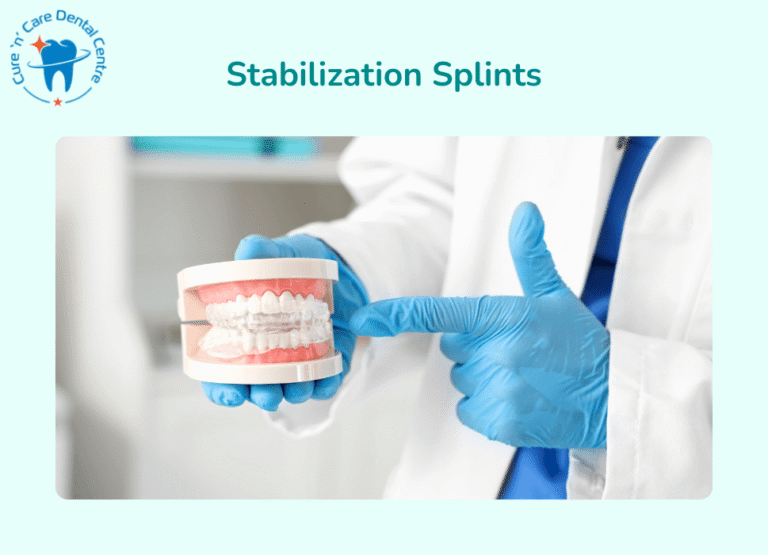
2. Stabilization Splints
- Purpose: Designed for patients with temporomandibular joint disorders (TMD).
- Material: Usually hard acrylic, allowing precise adjustment and long-lasting support.
- Function: Stabilizes the jaw in a neutral position, redistributing bite forces evenly and relaxing overworked jaw muscles.
- Use: Often used short-term to alleviate pain and prevent further joint damage.
- Additional Benefits: Can improve jaw function, reduce clicking or popping sounds, and help prevent chronic TMJ complications.
3. Repositioning Splints
- Purpose: Corrects malocclusion or bite alignment issues that contribute to jaw strain and uneven wear.
- Material: Hard acrylic with precision adjustments tailored to the patient’s bite.
- Function: Gradually guides the jaw into a more optimal position, reducing muscular tension and joint stress.
- Use: Frequently employed in TMD management and as a preparatory step for orthodontic or restorative dental treatments.
- Additional Benefits: Can improve bite efficiency, enhance chewing comfort, and prevent long-term dental complications.
4. Periodontal Splints
- Purpose: Provide stability for loose teeth caused by gum disease (periodontitis) or trauma.
- Material: Made from composite resin, wire, or acrylic, depending on the required strength and durability.
- Function: Binds multiple teeth together to distribute biting forces evenly, allowing healing of affected teeth and reducing further mobility.
- Use: Often a temporary measure until the underlying periodontal issues are treated.
- Additional Benefits: Helps patients maintain proper oral function, improves chewing efficiency, and prevents additional stress on weakened teeth.
5. Post-Traumatic Splints
- Purpose: Protect teeth after dental trauma or fractures, such as accidents or sports injuries.
- Material: Typically acrylic, composite, or thermoplastic, chosen for rigidity and patient comfort.
- Function: Immobilizes affected teeth, allowing proper healing and preventing further injury.
- Use: Applied immediately after trauma and often combined with treatments like bonding or restorative procedures.
- Additional Benefits: Minimizes pain, supports recovery, and helps preserve natural teeth after traumatic incidents.
6. Sports Mouthguards (Protective Splints)
- Purpose: Designed to prevent dental injuries during athletic activities.
- Material: Constructed from soft or dual-laminated thermoplastic for shock absorption.
- Function: Cushions teeth, jaw, and soft tissues against impact, reducing the risk of fractures, dislocations, and lacerations.
- Use: Worn during sports or high-impact activities, especially contact sports like football, hockey, or martial arts.
- Additional Benefits: Can enhance confidence and safety for athletes, and some designs allow for better breathing and communication during play.
Experience Comfortable, Expert Care
Don’t wait for dental discomfort to escalate. At Cure n Care Dental Center, our specialists provide a comprehensive evaluation of your teeth, jaw, and bite alignment. Together, we’ll create a customized treatment plan that addresses your unique needs, whether it’s TMJ relief, bruxism management, or stabilization of loose teeth.
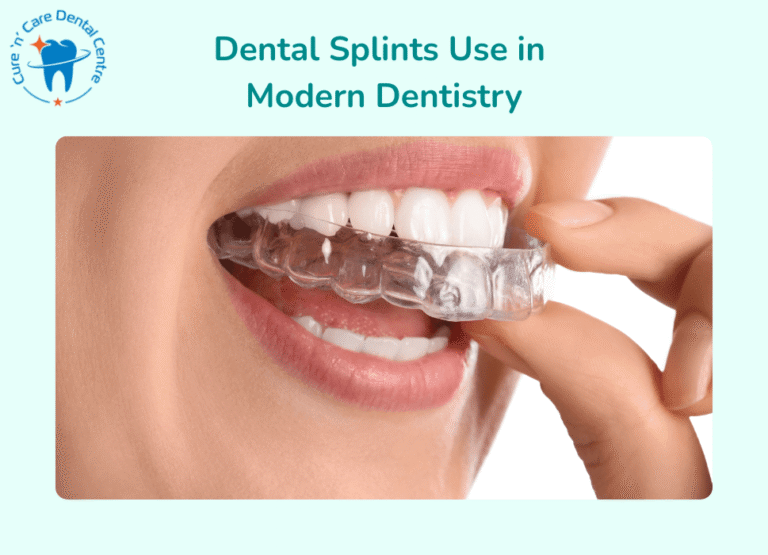
Dental Splints Use in Modern Dentistry
Dental splints play a critical role in modern dentistry, offering solutions for a wide range of oral health issues. They actively promote healing, prevent further damage, and improve oral function. Here’s how dental splints are applied in contemporary dental practice:
Managing Bruxism (Teeth Grinding and Clenching)
Bruxism is a common condition that can lead to enamel wear, tooth fractures, jaw pain, and headaches. Occlusal splints or night guards are used to create a protective barrier between the teeth, preventing damage and reducing muscle strain. This not only preserves the teeth but also alleviates discomfort associated with chronic grinding.
Treating Temporomandibular Joint Disorders
Patients with TMJ disorders often experience jaw pain, limited movement, and clicking or popping sounds. Stabilization and repositioning splints help realign the jaw, reduce stress on the joint, and relax overactive muscles, improving overall jaw function and reducing pain.
Stabilizing Loose or Mobile Teeth
Periodontal disease, trauma, or bone loss can cause teeth to become loose. Periodontal splints bond multiple teeth together, distributing biting forces evenly and providing stability. This helps maintain proper function while supporting healing and preventing further mobility.
Post-Trauma Protection and Healing
After dental injuries, such as fractures, luxations, or avulsions, post-traumatic splints are used to immobilize affected teeth, allowing them to heal properly. These splints are often combined with restorative treatments to ensure optimal recovery and preservation of natural teeth.
Improving Bite Alignment and Function
Repositioning splints are used in cases of malocclusion or bite misalignment, often as a preparatory step for orthodontic or restorative procedures. By guiding the jaw into a more optimal position, these splints help reduce strain on muscles and joints, improving chewing efficiency and long-term dental health.
Protecting Teeth During Sports
Athletes are prone to dental injuries from impact or falls. Sports mouthguards or protective splints absorb shock and cushion teeth and jaw, reducing the risk of fractures, dislocations, and soft tissue injuries. Custom-fitted sports splints offer superior protection compared to standard store-bought guards.
Preventing Long-Term Complications
Consistent use of dental splints can prevent worsening of oral conditions by reducing mechanical stress on teeth and joints, minimizing headaches, jaw fatigue, and enamel wear, and maintaining overall oral health.
Why Choose Cure n Care Dental Center?
At Cure n Care Dental Center in Johar Town, Lahore, we are committed to providing high–quality, patient-centered dental care. Our focus is not only on treating oral conditions but also on preventing future complications and ensuring long-term oral health. Here’s why patients trust us for their dental splint and overall oral care needs:
Expert Evaluation and Personalized Treatment Planning
Every patient receives a thorough assessment of their teeth, gums, jaw function, and bite alignment. Our experienced dentists specialize in TMJ disorders, bruxism, periodontal issues, and post-trauma cases, creating a customized treatment plan that addresses both immediate concerns and long-term dental health goals.
Custom-Made Dental Splints
We understand that every mouth is unique, so all dental splints are carefully tailored to each patient’s anatomy and specific needs. Custom fabrication ensures maximum comfort, proper fit, and optimal effectiveness, whether for night-time bruxism management, TMJ relief, periodontal stabilization, or post-trauma protection.
State-of-the-Art Technology
Cure n Care Dental Center utilizes advanced digital scans, 3D imaging, and precision lab techniques to fabricate splints that are both highly accurate and durable. This ensures that each splint fits perfectly, functions effectively, and provides long-lasting protection for teeth and jaw structures.
Comprehensive Patient Education
We don’t just provide dental appliances—we educate patients on proper usage, maintenance, and care of their splints. Understanding how to care for their device helps patients maximize its lifespan, maintain hygiene, and achieve the best therapeutic outcomes.
Holistic Approach to Oral Health
Our goal is to protect your teeth, alleviate pain, and enhance overall oral function. We focus on a holistic approach that combines modern dental technology, expert care, and patient education to promote lasting oral wellness and a confident, healthy smile.
Choosing Cure n Care Dental Center means receiving personalized, professional, and technologically advanced care that prioritizes comfort, effectiveness, and your long-term oral health. Whether you need a splint for TMJ relief, bruxism, or post-trauma support, our dedicated team ensures you receive the best solution tailored to your needs.
Enhancing Oral Health and Comfort with Splints
Dental splints are a versatile and essential tool in modern dentistry, providing protection, stabilization, and relief for a variety of dental and jaw conditions. Whether it’s preventing tooth wear from grinding, managing TMJ discomfort, stabilizing loose teeth, or protecting athletes from injury, a well-designed splint can significantly improve oral health and quality of life.
At Cure n Care Dental Center in Johar Town, Lahore, our expert team emphasizes personalized care, precise fabrication, and patient education, helping you maximize the advantages of dental splints. By incorporating these appliances into your oral health routine, you can prevent complications, alleviate pain, and maintain a healthy, functional smile for years to come.
Protect Your Teeth with a Custom Dental Splint
Teeth grinding, jaw pain, and dental injuries can have long-term consequences if left untreated. Our precision-made dental splints are designed to relieve pain, protect enamel, and support proper jaw function, giving you comfort and peace of mind. Don’t compromise your oral health; take proactive steps today with Cure n Care Dental Center.
Frequently Asked Questions
How do I know if I need a dental splint?
Many people experience jaw pain, teeth grinding, or loose teeth without realizing the long-term damage. A dentist can evaluate your bite, jaw function, and oral health to determine if a splint is the right solution.
Will wearing a dental splint be uncomfortable?
Modern splints are custom-made to fit your teeth and jaw perfectly, so they are comfortable to wear. Any minor adjustments can be made by your dentist to ensure a snug fit without irritation.
Can children use dental splints?
Yes. Pediatric splints are available for children with bruxism, bite misalignment, or dental injuries, designed with materials and sizes suitable for growing teeth.
Can a dental splint prevent teeth from getting worse?
Yes. Splints protect teeth from grinding, reduce stress on loose teeth, and help correct bite issues, preventing further damage and supporting long-term oral health.
How do I clean and maintain my dental splint?
Daily cleaning with a soft toothbrush and non-abrasive cleaner, proper storage in a ventilated case, and avoiding heat exposure will keep your splint hygienic and functional. Regular checkups allow your dentist to adjust or repair the splint as needed.