

When most people think of diabetes, they usually associate it with blood sugar levels, insulin injections, or strict dietary routines. However, very few realize that this condition doesn’t just affect internal organs; it also has a significant and often overlooked impact on diabeties and oral health.
Elevated blood sugar can influence everything from the health of your gums to how quickly your mouth heals after dental procedures.
At Cure N Care Dental Centre in Johar Town, Lahore, our experienced dental team frequently treats patients managing diabetes who experience issues like gum disease, dry mouth, slow-healing mouth sores, fungal infections, and even tooth loss.
These oral health challenges are far more common among people with diabetes, but the good news is that with proper care, awareness, and regular dental visits, they can be effectively managed and even prevented.
This blog aims to educate our patients and readers on how diabetes affects oral health, why prevention matters, and what steps you can take to protect your smile. Whether you are diabetic yourself or care for someone who is, this detailed guide will give you practical and evidence-based insights from dental professionals.
What Is Diabetes?
Diabetes mellitus is a chronic metabolic disease characterized by high blood sugar levels. It occurs when the body either doesn’t produce enough insulin or cannot effectively use the insulin it produces.
Types of Diabetes
- The body does not produce insulin. This type often develops early in life and requires lifelong insulin therapy.
- The body produces insulin but cannot use it properly (insulin resistance). It is the most common form of diabetes in adults and is often linked to lifestyle factors.
Gestational Diabetes
This type develops during pregnancy and usually resolves after childbirth but increases the mother’s risk of developing Type 2 diabetes later.
Diabetes Statistics in Pakistan
According to the International Diabetes Federation, Pakistan has one of the highest diabetes rates in the world, with millions affected and many unaware of their condition. This rising number also means more people are at risk of oral complications associated with diabetes.
How Diabetes Affects Your Oral Health?
Diabetes affects every part of the body, including your mouth. Elevated blood sugar levels create an environment where bacteria thrive, leading to inflammation and infection. Here’s a closer look at the ways diabetes impacts your oral health:
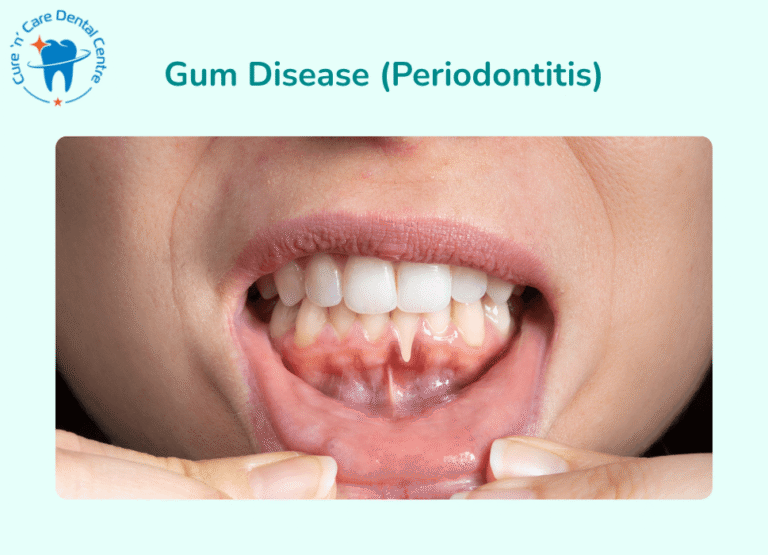
1. Gum Disease (Periodontitis)
Gum disease is one of the most common dental problems linked to diabetes. High blood sugar weakens the body’s ability to fight infection and slows healing, making gums more prone to inflammation.
Signs of gum disease include:
- Swollen, red, or tender gums
- Bleeding during brushing or flossing
- Receding gums or loose teeth
- Persistent bad breath
If untreated, periodontitis can lead to tooth loss and further complicate blood sugar control.
2. Dry Mouth (Xerostomia)
Diabetes can decrease saliva production, leading to dry mouth, which increases the risk of cavities, oral infections, and discomfort. Saliva is essential for neutralizing acids and washing away food debris; without it, bacteria multiply quickly.
3. Fungal Infections (Oral Thrush)
People with diabetes are more prone to fungal infections such as oral candidiasis, caused by Candida albicans. Symptoms include white patches on the tongue or inner cheeks, soreness, and difficulty swallowing.
4. Tooth Decay
High blood sugar means more glucose in saliva, which bacteria feed on to produce acids that damage enamel. Combined with dry mouth, this significantly raises the risk of cavities.
5. Delayed Healing
Minor cuts, ulcers, or after-treatment wounds take longer to heal in diabetic patients. This can make routine dental procedures more complicated if blood sugar is not well-controlled.
6. Burning Mouth Syndrome
Some diabetics experience a burning sensation in the tongue, lips, or gums, often due to nerve damage (neuropathy) or dry mouth.
7. Taste Alterations
Changes in taste perception, often described as a metallic or less intense taste, can occur due to diabetes-related oral changes.
Two-Way Relationship Between Diabetes and Gum Disease
The relationship between diabetes and gum disease is bidirectional, meaning each condition can worsen the other.
- Diabetes increases the risk of gum disease because of reduced immune response and increased inflammation.
- Gum disease, in turn, makes it harder to control blood sugar, as infections can cause insulin resistance.
This cycle emphasizes the importance of regular dental visits and strict oral hygiene for diabetic patients.
Warning Signs of Dental Problems in Diabetic Patients
If you have diabetes, look out for these signs and contact your dentist immediately if you notice any:
- Bleeding gums while brushing
- Persistent bad breath
- Loose or shifting teeth
- Mouth ulcers that don’t heal
- Dry, sticky feeling in the mouth
- White patches on the tongue or inner cheeks
- Painful chewing or sensitivity
At Cure N Care Dental Centre, our dentists conduct comprehensive oral examinations tailored for diabetic patients to detect such problems early.
Take Control of Your Oral Health Today!
If you’re living with diabetes, don’t wait for dental problems to appear. Regular dental checkups can help detect early signs of gum disease, infection, or dry mouth before they become serious. Visit Cure N Care Dental Centre in Johar Town, Lahore, for gentle, expert dental care tailored to your needs.
Preventive Dental Care Tips for People with Diabetes
Maintaining good oral health with diabetes requires consistency and awareness. Here are expert-approved tips from our dental team:
1. Maintain Good Blood Sugar Control
Keeping your blood glucose within the recommended range reduces the risk of oral infections and supports faster healing.

2. Brush and Floss Daily
Brush twice daily with a soft-bristled toothbrush and fluoride toothpaste. Floss at least once daily to remove plaque between teeth.
3. Stay Hydrated
Drink plenty of water to combat dry mouth and stimulate saliva production.
4. Avoid Tobacco
Smoking worsens gum disease and delays healing—especially risky for diabetic patients.
5. Eat a Balanced Diet
Limit sugary foods and include fiber, lean proteins, and whole grains to stabilize blood sugar.
6. Visit Your Dentist Regularly
Schedule biannual dental checkups at Cure N Care Dental Centre. Our team monitors your oral health closely and coordinates with your physician if necessary.
7. Use Antibacterial Mouthwash
An alcohol-free mouthwash can help reduce bacteria that cause gum inflammation.
8. Manage Stress
Stress can affect blood sugar levels and immune response, indirectly affecting oral health.
9. Inform Your Dentist About Your Medical History
Always tell your dentist about your diabetes medications and blood sugar control to ensure safe dental care.
Dental Treatment Considerations for Diabetic Patients
At Cure N Care Dental Centre, we follow special protocols for diabetic patients to ensure comfort and safety:
- Scheduling morning appointments when blood sugar levels are more stable
- Checking blood glucose levels before major procedures
- Coordinating with your physician for medication adjustments if necessary
- Using local anaesthetics safely and preventing hypoglycaemia during long procedures
- Post-treatment follow-up to ensure proper healing
Our dentists are trained to handle diabetic patients with care, minimizing risk and ensuring pain-free, effective treatments.
Oral Hygiene Routine for Diabetic Patients
Here’s a simple daily oral care routine recommended by our experts:
- Morning: Brush after breakfast with fluoride toothpaste, rinse with alcohol-free mouthwash.
- Midday: Rinse your mouth with water after meals or snacks.
- Evening: Brush again before bed and floss thoroughly.
- Weekly: Inspect your mouth for signs of redness, sores, or white patches.
- Monthly: Note any changes in taste, dryness, or bleeding and discuss them with your dentist.
Advanced Dental Treatments for Diabetics at Cure N Care
We provide safe and modern dental care options designed for diabetic patients, including:
- Professional Scaling and Polishing: To control plaque buildup and prevent gum infections.
- Laser Gum Therapy: Minimally invasive and promotes faster healing.
- Dental Implants with Caution: Managed in coordination with your physician for safe recovery.
- Fluoride Treatments: To strengthen enamel and prevent cavities.
- Mouth Moisturizers: To alleviate dry mouth and maintain comfort.
Why Choose Cure N Care Dental Centre, Johar Town, Lahore?
Our clinic is more than just a dental practice; it’s a place where your overall health is valued. We understand how systemic diseases like diabetes impact oral health and tailor our approach accordingly.
Here’s why diabetic patients trust us:
- Expert Dental Team: Experienced dentists trained in managing medically compromised patients.
- Comprehensive Care: From checkups to complex treatments, all under one roof.
- Patient Safety: Strict sterilization and infection-control protocols.
- State-of-the-Art Equipment: Modern tools ensure precision and comfort.
- Personalized Guidance: We educate you about home care, diet, and oral hygiene.
- Convenient Location: Easily accessible in Johar Town, Muslim Town, Valencia, PCSIR, WAPDA Town, Garden Town, Tech Society, and Thokar Niaz Baig, Lahore.
Whether you need preventive care, gum treatment, or cosmetic dentistry, we provide all services with compassion and professionalism.
Role of Dentists in Diabetes Management
Your dentist plays an essential role in the early detection of diabetes-related oral complications. In some cases, gum disease or persistent oral infections are the first signs of undiagnosed diabetes.
At Cure N Care Dental Centre, our team collaborates with your physician to ensure holistic management.
Lifestyle & Oral Care Recommendations for Diabetics
- Monitor Blood Sugar Daily: Keep levels stable to prevent infections.
- Avoid Sticky and Sugary Snacks: Opt for healthy alternatives like nuts or yogurt.
- Get Regular Exercise: It helps control blood sugar and improves circulation.
- Quit Smoking: Smoking plus diabetes drastically increases gum disease risk.
- Stay Consistent With Dental Visits: Prevention is easier than treatment.
When to See a Dentist Immediately
Seek dental care without delay if you experience:
- Bleeding or swollen gums
- Mouth pain or ulcers that don’t heal
- Loose teeth
- Persistent dry mouth or bad breath
- White patches or burning sensations
Early treatment prevents complications and helps you maintain both oral and overall health.
Managing Diabetes Means Caring for Your Smile
Diabetes and oral health are closely connected. High blood sugar can make it harder to maintain healthy gums and teeth, increasing the risk of infections, dry mouth, and slow healing. The good news is that with awareness, discipline, and the right dental care, these problems can be prevented.
At Cure N Care Dental Centre in Johar Town, Lahore, we are dedicated to helping diabetic patients maintain excellent oral hygiene through expert care, regular monitoring, and patient education. With proper dental support and consistent diabetes management, you can protect your smile and enjoy lasting oral health.
Book Your Dental Check-Up Today!
Your smile deserves expert care especially if you’re managing diabetes. At Cure N Care Dental Centre, we offer gentle, personalized dental care for all ages and health conditions.
Let our expert dentists help you maintain a healthy smile.
Frequently Asked Questions
Why do dentists ask if I have diabetes?
Dentists ask about diabetes because high blood sugar can affect your gums, healing ability, and overall mouth health. Knowing your condition helps them plan safe and effective treatments for you.
Can I get dental treatment if my blood sugar is high?
It’s best to have dental treatment when your blood sugar is under control. Very high sugar levels can delay healing and increase infection risk. Your dentist may postpone non-urgent procedures until your sugar stabilizes.
Why do my gums bleed when I brush my teeth?
Bleeding gums can be an early sign of gum disease, which is more common in people with diabetes. Don’t ignore it book a dental check-up to prevent it from worsening.
How often should I visit the dentist if I have diabetes?
Most diabetic patients should see a dentist every six months, or more frequently if you have gum problems. Regular cleanings help control bacteria and prevent infections.
Why does my mouth feel like it’s burning?
Some diabetics experience burning mouth syndrome, often caused by dry mouth or nerve damage. Visit your dentist or doctor to identify the cause and get relief.